Network devices
Let’s take a look at the network devices commonly found in today’s LANs..
Hubs
A hub serves as a central point to which all of the hosts in a network connect to. A Hub is an OSI Layer 1 device and has no concept of Ethernet frames or addressing. It simply receives a signal from one port and sends it out to all other ports. Here is an example 4-port Ethernet hub (source: Wikipedia):
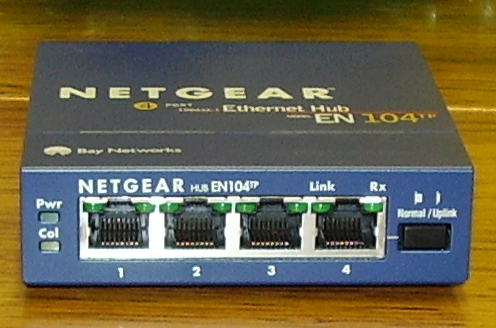
Today, hubs are considered obsolete and switches are commonly used instead.
Switches
Like hubs, a switch is used to connect multiple hosts together, but it has many advantages over a hub. Switch is an OSI Layer 2 device, which means that it can inspect received traffic and make forwarding decisions. Each port on a switch is a separate collision domain and can run in a full duplex mode (photo credit: Wikipedia).

Routers
A router is a device that routes packets from one network to another. A router is most commonly an OSI Layer 3 device. Routers divide broadcast domains and have traffic filtering capabilities.
The picture below shows a typical home router:
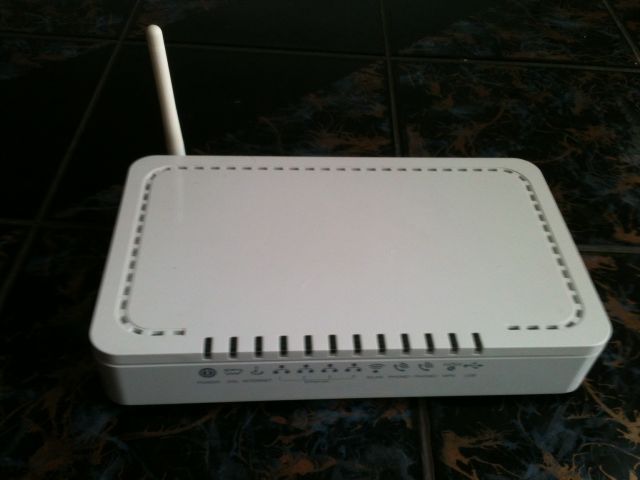
In the next sections we will describe each of these devices in more detail.


Comments
Post a Comment